Frequently Asked Questions About Da-Vinci-Inventions.com
What is Da-Vinci-Inventions.com?
Da-Vinci-Inventions.com is a website dedicated to exploring the ideas, inventions, and life of Leonardo da Vinci. It highlights his notebooks, designs, and concepts that span art, engineering, mechanics, and early science.
Who was the site created for?
The site is meant for anyone interested in Leonardo’s work, including students, educators, inventors, history lovers, and people who want to understand the depths of his creative and technical thinking.
What kinds of inventions are featured on the site?
You’ll find detailed pages about a wide range of ideas attributed to Leonardo, such as flying machines, mechanical devices, war machines, bridges, diving gear, and early robotics. Each page explains the idea, how it was meant to function, and its significance today.
Does the site only focus on Leonardo’s inventions?
No. In addition to inventions, the site also covers his life, biography, philosophy, artistic achievements, and how his thinking influenced later science and engineering.
Are the explanations on the site easy to understand?
Yes. The content is written in clear language that avoids jargon, making it easy for people without a technical background to follow and appreciate the ingenuity behind each design.
Does the site include pictures or diagrams?
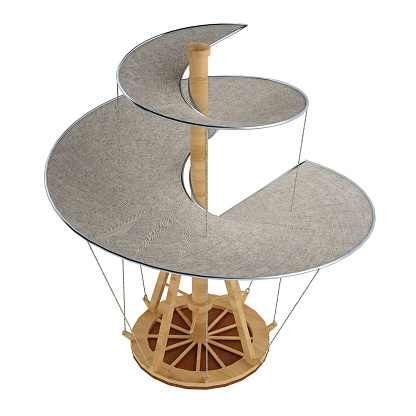
Most invention pages include images of sketches or illustrations, helping you visualize how the design might have looked or worked. These visuals often come from Leonardo’s own drawings or modern reconstructions.
Is the information on the site based on real historical sources?
Yes. The descriptions and interpretations are based on Leonardo’s notebooks, historical records, and scholarly research into how his ideas were developed and what they meant in the context of his time.
Can I learn how Leonardo thought and worked from this site?
Definitely. Many pages explain not just the inventions themselves, but also Leonardo’s methods of observation, problem-solving, and how he combined art with engineering.
Does the site explain whether his inventions ever worked?
Yes. Many entries discuss whether a design could have worked with technology of his time, and how modern tests or reconstructions have helped experts understand the practical potential of his ideas.
Is there a section about Leonardo da Vinci’s biography?
Yes. The homepage links to a detailed biography that covers his life from birth to death, including his education, major works, travels, the patrons who supported him, and the legacy he left behind.
Can I find comparisons between his ideas and modern technology?
Some pages draw parallels between his concepts and later inventions. For example, Leonardo’s flying machines and armored vehicle ideas are often compared to helicopters and modern combat vehicles in terms of creative thinking.
Does the site discuss the science behind his inventions?
Yes. While the site is written in accessible language, it also explains basic scientific and mechanical principles behind the designs so readers can see how Leonardo approached each problem.
Is this site useful for students and teachers?
The site is ideal for learners of all ages. Teachers can use it as a resource for lessons on science, history, art, or engineering, while students can explore concepts that bridge multiple disciplines.
Is there a way to explore inventions by category?
Yes. The site organizes Leonardo’s ideas into categories like flight, war devices, mechanical tools, bridges, diving gear, and more to help you find what interests you most.
Does the site cover the originals and surviving sketches?
Many pages talk about the original sketches held in museums or collections, explain what the drawings show, and describe how historians interpret them today.
Is the content updated regularly?
The site aims to expand and refine content over time to include deeper insights into Leonardo’s work. New inventions or interpretations may be added as research continues.
Can I share the information on this site for school or research projects?
Yes. The content is written to be informative and reliable, making it suitable for presentations, reports, and learning projects as long as appropriate credit is given.